
CRE transaction management software is a platform that helps you run commercial real estate deals end-to-end—from requirements and site selection through negotiations, approvals, documentation, and close—so every deadline, cost, and decision is tracked in one place (instead of living in spreadsheets, inboxes, and scattered folders).
REoptimizer® is built for exactly this: centralizing portfolio data and automating reporting, alerts, and workflows so teams can move faster and negotiate from a stronger position.

Who Can Benefit from CRE Transaction Management Software?
If your organization has more than a few locations—or multiple deals happening at once—transaction management software becomes a necessity, not a “nice to have.”
Typical users include:
- Corporate Real Estate (CRE) And Portfolio Strategy teams managing growth, consolidation, relocations, and renewals
- Finance / FP&A tracking budgets, approvals, and forecast vs. actual
- Legal managing LOIs, redlines, and compliance documentation
- Operations / Workplace / Facilities aligning space with headcount and utilization
- Executives who need a clear view of deal risk, savings, and timing
REoptimizer® is positioned for enterprise teams dealing with complexity—replacing “spreadsheets, siloed systems, and manual processes” with a single system of record.
What CRE Transaction Management Software Does
At its core, CRE transaction management software helps you:
- standardize the process (repeatable workflows and checklists)
- coordinate people and deadlines (ownership, reminders, accountability)
- organize documents (versions, approvals, audit trail)
- track costs line-by-line (so overages don’t hide in the noise)
- report in real time (so leadership isn’t waiting on a “Friday spreadsheet”)
REoptimizer® adds a key layer: it’s designed to help teams compare deal economics against comps and benchmarks and generate reporting fast with templates—because the real money is won or lost in the details.

Where It Fits (And Why It’s Not The Same As Lease Management)
A simple way to think about the lifecycle:
Before The Deal: Strategy And Site Search
This is where teams define what they need and evaluate options. REoptimizer® supports this with KSDs (Key Site Drivers) and tools like CRESiteIQ™, built to analyze markets, compare sites, and visualize opportunities. More on in the next section…
During The Deal: The Transaction Itself
This is the heavy-lift phase: comps, negotiations, approvals, legal, due diligence, and getting to signature/close.
After The Deal: Lease Management
Lease management is what happens after execution—tracking key dates like renewals, expirations, options, and escalations. REoptimizer® content points out how missed key dates can create real cost and risk at portfolio scale.
Bottom line: lease management is “operate what you signed.” Transaction management is “control what you sign.”
What Are KSDs?
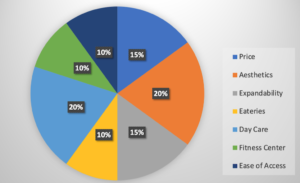
KSDs (Key Site Drivers) are the criteria that define what “best location” means for your business—then you weight and score them so every option can be compared objectively (not emotionally, not anecdotally, and not based on whoever toured last). Consider them your highly unique KPI’s.
REoptimizer® uses KSDs to score each property in real time and calculate a final weighted score per building, instantly ranking your top contenders side-by-side.
Why KSDs Are Invaluable (And Why Teams That Use Them Win More Often)
They Turn “Opinions” Into A Repeatable Decision System. Without KSDs, site selection usually sounds like:
- “This one feels right.”
- “The price is good, but…”
- “Leadership likes that submarket.”
KSDs force alignment upfront. You define the “must-haves” and “deal-breakers” before you tour, so your team is evaluating every property against the same standard.
They Help You Compare The Stuff That’s Hard To Measure
Price and square footage are easy. The real risk is everything else:
- Workforce access and commute patterns
- Truck access and delivery windows
- Power capacity and future expansion needs
- Column spacing, dock ratios, clear height (industrial)
- Customer proximity and logistics cost impacts
- Rent vs market comps (and trend direction)
- Total Occupancy Cost (rent + CAM/NNN + taxes + insurance + utilities)
- Current utilization vs required utilization (desk sharing, peak days)
- Adjacency needs (teams that must be near each other
- Layout efficiency (loss factor, usable vs rentable SF)
REoptimizer’s® KSD approach is designed specifically to capture those “hard-to-quantify” drivers and make them scorable—so the best site isn’t just the cheapest, it’s the lowest total cost of occupancy and best operational fit.

They Save Time By Eliminating Bad-Fit Tours Early
One of the most expensive mistakes companies make is touring before they’ve defined what matters most. REoptimizer calls this out directly: teams waste time touring warehouses without clear KSDs—then end up revisiting assumptions mid-process. When KSDs are set first, you filter faster and only tour buildings that can realistically win.
They Strengthen Negotiations Because You Know Your Leverage
When you can prove (with scoring) that multiple buildings meet your needs, negotiations change:
- You’re selecting from the strongest options and negotiating from leverage.
- You can back up concession requests with evidence, using comps plus the operational requirements that drive real value.
- You reduce waste by not paying extra for features that don’t move the needle for your business.
Because Reoptimizer® scores contenders side-by-side and ranks them instantly, your team walks into negotiation with clarity: what matters, what doesn’t, and what you can walk away from.
They Keep The Portfolio Aligned With The Business (Not Just The Deal)
The biggest value of KSDs isn’t picking a building—it’s ensuring every location decision supports the business:
- growth plans
- service levels
- labor strategy
- cost targets
- utilization and waste reduction
REoptimizer’s® broader positioning is exactly this: giving teams visibility into overspending and underused space, then translating that into action through dashboards and metrics—so site decisions don’t live in a one-time spreadsheet, they become an operational advantage.
How REoptimizer® Makes KSDs Practical (Not Just A Worksheet)
Here’s the difference between “having KSDs” and using KSDs:
- Score Each Property In Real Time: As you evaluate a site, REoptimizer scores how well it delivers on each KSD—immediately, even while touring.
- Rank Overall Suitability: REoptimizer calculates a weighted score per building and instantly highlights top contenders.
- Expand Site Intelligence With CRESiteIQ™: For location strategy, CRESiteIQ™ helps define what matters and compare sites using many data points (example categories include demographics, income, fuel costs, population trends, and more).

Why Your Portfolio Needs CRE Transaction Management Software
In CRE, savings (or losses) don’t come from “being organized.” They come from making better decisions earlier and catching issues before they get locked into the deal.
Transaction management software helps you:
- Avoid missed deadlines that weaken leverage
- Prevent “death by a thousand line items” (fees, escalations, TI, concessions, operating assumptions)
- Benchmark against comps instead of negotiating blind
- Expose underutilization and waste so the portfolio improves over time
REoptimizer® specifically highlights eliminating wasted effort by centralizing data and automating alerts/workflows—so teams spend time on strategy, not chasing updates.
Why Spreadsheets Don’t Work For Transaction Management
Spreadsheets are fine for a single deal. They fail when you’re handling:
- Multiple stakeholders and approvals
- Changing versions of assumptions and documents
- Market comps, benchmarks, and reporting needs
- Utilization/waste measurement across a portfolio
That’s why REoptimizer® focuses on replacing spreadsheets and siloed tools with a centralized platform and automation.

FAQs
What Is CRE Transaction Management Software?
It’s software that manages the full commercial real estate deal process—tasks, deadlines, documents, approvals, and costs—from strategy through close, so nothing falls through the cracks.
How Is CRE Transaction Management Different From Lease Management?
Lease management is post-signature administration (key dates, escalations, compliance). Transaction management covers the whole process where the economics and terms are created.
Who Needs CRE Transaction Management Software?
Any company with a multi-location portfolio or frequent transactions—especially when deals involve finance, legal, operations, and leadership approvals.
How Does REoptimizer® Help With CRE Transaction Management?
REoptimizer® helps enterprise teams centralize portfolio data and automate reporting, alerts, and workflows—and supports site selection and deal evaluation with KSD scoring and related tools.
What Is CRESiteIQ™?
CRESiteIQ™ is a REoptimizer® tool for site selection, built to analyze markets, compare sites, and visualize opportunities in one platform.
What Are Key Site Drivers (KSDs) In Commercial Real Estate?
KSDs are your business’s weighted location criteria—used to score and compare properties objectively so you can identify the best-fit sites faster.
Why Should KSDs Be Weighted?
Because not all criteria matter equally. Weighting prevents teams from over-prioritizing “nice-to-haves” (or the loudest opinion) over the drivers that actually impact cost, operations, and performance.
How Does REoptimizer Use KSDs?
REoptimizer® scores each property against your KSDs in real time and produces a final weighted score to rank contenders side-by-side.
Learn more about REoptimizer® today.