Most CEOs treat a commercial lease renewal like a routine administrative task—something for the legal department to “handle” or for a junior facilities manager to “check off.”
That is the single most expensive mistake you will make this decade. In today’s market, a lease renewal isn’t a paperwork exercise. It is a Strategic Arbitrage Opportunity. If you do it right, you unlock millions in pure profit. If you do it passively, you are signing a high-interest loan on space you don’t use, based on prices that no longer exist.
So, without wasting any more time, let’s explore how to treat your lease like a financial asset instead of a liability.

The Reality: You Are Negotiating in a Time Machine
The office market didn’t just “shift”—it collapsed and rebuilt itself while you were busy running your business.
Most companies are currently sitting in leases negotiated 3, 5, or 7 years ago. Those leases were built on a “Before Times” world:
-
Utilization was linear. (Everyone showed up at 9:00 AM).
-
Landlord leverage was absolute. (Vacancy was low; options were few).
-
Growth meant more desks. (If you made more money, you needed more carpet).
In 2026, all three of those assumptions are dead. The gap between your “Contracted Rent” (what you’re paying now) and “Market Reality” (what the building is actually worth) is likely wider than the Grand Canyon. If you simply “exercise your option” without a diagnostic, you are essentially tipping your landlord millions of dollars for the privilege of staying in an outdated office.
The Four Villains of the Lease Renewal
1. The Familiarity Bias (The “Paperwork” Trap)
Tenants assume staying put is “safe.”
You know the commute, you like the coffee shop downstairs, and your employees know where the bathrooms are.
In reality, familiarity is a tax. Landlords count on you resigning without proper due dilligence.
They know that moving costs money and time, so they offer you a “fair” renewal that is actually 15% above the net-effective market rate. They are charging you a “Convenience Surcharge.”
2. Blind Portfolio Economics
Most companies negotiate renewals in a vacuum.
They look at the current rent and try to knock a dollar off. But they don’t look at the Remaining NPV (Net Present Value) of the lease. They don’t see how the 3% escalations are compounding into a massive balloon payment in year eight. If you don’t know the “Total Cost of Ownership” of that location compared to your top five competitors, you aren’t negotiating—you’re begging.
3. The “Ghost Square Footage”
This is the biggest profit killer. You are paying for 50,000 square feet because that’s what you needed in 2019. But your badge-swipe data shows that on Tuesdays—your peak day—you only use 28,000. Every square foot you don’t use is Dead Capital. If you renew for the same footprint, you are essentially setting piles of cash on fire every month to heat and cool empty air.
4. The “No Alternative” Bluff
Landlords are expert poker players. If they don’t see you touring other buildings, they know they have you trapped. Leverage doesn’t come from being a “good tenant.” Leverage comes from Credible Alternatives. If you don’t have three other buildings “hot on the trail” with net-effective term sheets, the landlord has no reason to give you the concessions you actually deserve.

The “Value Stack” of a Modern Renewal
When we talk about “optimizing” a renewal, we aren’t just talking about lower rent. We are talking about the Total Value Stack. In a buyer’s market, you should be negotiating for:
-
TI Dollars (Tenant Improvement): The landlord should be paying to refresh your space, not you.
-
Abatement (Free Rent): You should get months of free rent just for signing the extension.
-
Contraction Rights: The ability to give back 20% of the space if your hybrid policy shifts.
-
OpEx Caps: Protecting yourself from the landlord’s rising insurance and tax bills.
How to Build a Finance-Grade Decision (The REoptimizer® Way)
If you want the CEO and CFO to sign off on a real estate decision, you can’t bring them “feelings” or “anecdotes.”
You need a Visual Truth Engine. This is where REoptimizer® comes in.
We didn’t build a database; we built a Leverage Machine.
1. Stop Guessing, Start Measuring
REoptimizer® centralizes your portfolio data so you can see the Remaining NPV of every lease in one click. You can instantly see which locations are “financial outliers”—the ones where you are paying 2021 prices in a 2026 world.
2. The Utilization Diagnostic
Instead of asking, “How much space do we cut?”, we ask, “How should our space actually work?” Our platform helps you map true utilization against your footprint. If you’re at 40% capacity, we model the exact “Right-Sizing” scenario that preserves your culture while slashing your OpEx.
3. Side-by-Side Scenario Modeling
This is the “Grand Slam” move. We take your current renewal terms and put them side-by-side with the top 3 relocation options in the market.
-
Option A: Renew (The “Standard” Path)
-
Option B: Restructure (The “Blend and Extend” Path)
-
Option C: Relocate (The “Maximum Leverage” Path)
We calculate the Net Effective Cost of all three, including moving costs, IT build-out, and downtime. When you show the landlord that Option C is $2 million cheaper over 10 years, the “negotiation” suddenly gets a lot shorter.
The Timeline of Leverage
If you start your renewal 6 months before your lease ends, you have already lost. You are a hostage to the clock.
To win, you must start 18 to 36 months out. * 36 Months: Start the diagnostic. What is the NPV? What is the utilization?
-
24 Months: Identify the “Credible Alternatives.”
-
18 Months: Begin the “Battle of the Term Sheets.”
Time is the only thing you can’t buy back. If you have time, you have the power to walk away. If you don’t have time, the landlord owns you.

The Bottom Line: Renewals are Where Portfolios are Won or Lost
You can’t manage what you don’t measure. In 2026, “winging it” with a spreadsheet is a recipe for a $5 million mistake.You need a platform that turns your fragmented lease data into Market Power. You need to see the “Matrix” of your portfolio before you sit down at the table.
The Question: Are you going to pay the “Paperwork Tax” for another five years, or are you going to optimize your footprint for the way you actually work?
Ready to Find the “Ghost Space” in Your Portfolio?
Don’t sign another lease until you’ve seen the data. Whether you have 5 locations or 500, REoptimizer® gives you the finance-grade intelligence to make renewals your biggest win of the year.
Stop overpaying for “Dead Air.” Request a demo today to explore the leverage and cost-saving abilities REoptimizer® can have on your portfolio.
Commercial Lease Renewal FAQs (The Cheat Sheet)
Q: When should I start planning? A: 18–36 months before expiration. If you’re under 12 months, you’re already losing leverage.
Q: Should I exercise my “Renewal Option”? A: Almost never as the first move. Options usually reset to “Fair Market Value,” which is subjective. Negotiate a fresh deal first; use the option as a safety net only.
Q: How do I know if I’m overpaying? A: If your rent has 3% compounded escalations and you signed before 2023, you are almost certainly overpaying.
Q: What is “Remaining Lease NPV”? A: It’s the value of your future debt in today’s dollars. It’s the only way to compare a “Stay” vs. “Go” decision with total financial clarity.
Q: Can REoptimizer® help with just one location? A: Yes, but it’s a superpower for companies with 10+ locations that need to see where the “bleeding” is happening across the entire map.
Commercial lease renewals are no longer a routine administrative task. In today’s office market, they are one of the most powerful—and underutilized—levers for reducing occupancy costs, improving space utilization, and reshaping a company’s real estate portfolio.
Done strategically, a renewal can unlock millions in savings, flexibility, and optionality. Done passively, it can quietly lock in outdated economics, underused space, and unnecessary risk for years.
This guide explains how to approach commercial lease renewals—and how modern portfolio intelligence tools like REoptimizer® allow tenants to make renewal decisions with clarity, leverage, and confidence.
What Is A Commercial Lease Renewal?
A commercial lease renewal is the process of extending, renegotiating, or restructuring an existing office lease before its expiration. While many leases include renewal options, exercising them without market analysis can be one of the most expensive mistakes tenants make.
A renewal should be treated as a new transaction, evaluated against current market conditions, space utilization, and long-term business strategy—not as a default continuation of the past.

Why Commercial Lease Renewals Matter Right Now
The office market didn’t just “bounce” into a new cycle—it repriced risk and value. That shows up in how landlords underwrite deals, how employees experience offices, and how finance teams judge real estate decisions.
-
Hybrid Work Changed Utilization, Not Just Attendance
It’s not simply “fewer days in-office.” It’s spikier demand (peaks midweek, valleys Monday/Friday), more cross-functional collaboration days, and greater sensitivity to layout quality. Two companies can have the same headcount and radically different space needs depending on scheduling norms, team structure, and meeting behavior. -
Vacancy Is Elevated, But Leverage Is Uneven
Many submarkets have plenty of availability, yet best-in-class buildings can still command stronger pricing and terms because they’re winning the “flight to quality.” That means renewals aren’t about “rent down” everywhere—they’re about choosing whether you’re paying for quality, flexibility, or pure cost, and negotiating accordingly. -
The Real Gap Is Between “Contracted Rent” And “Market Reality”
A lot of tenants are sitting in leases negotiated under very different assumptions—growth projections, in-office expectations, and rent trajectories. Even when face rent looks acceptable, the total economics can drift: escalations compound, operating expenses rise, and older leases often lack modern flexibility (givebacks, expansion rights, sublease freedom, termination options). -
Capital Markets And Building Health Now Matter To Tenants
Lease decisions used to be mostly about space and price. Now, tenants also have to think about landlord capacity to fund improvements, maintain services, and execute capital work. Building-level financial stress can translate into operational friction—or become leverage if you understand the owner’s incentives and timing. -
Costs To Move Or Build Out Are Higher And More Variable
The renewal vs. relocate math isn’t just about rent. It’s about TI dollars, construction timelines, permitting risk, downtime, furniture/IT, and change management. In many cases, the “cheapest rent” option loses once you model the full cost and risk to execute. -
Leadership Teams Want Finance-Grade Decisions
CFOs and executives increasingly expect real estate choices to be justified like any other investment: NPV impact, scenario planning, risk tradeoffs, and measurable utilization—not anecdotes like “people like the building.” That’s why the renewal window is so valuable: it’s one of the few times you can make a high-impact change with a clear decision point and negotiation leverage.
Net: the renewal window is one of the only moments where tenants can reset economics, right-size intelligently (not blindly), and rebalance portfolios—but only if they have visibility into things like remaining lease NPV, true utilization by site, comparable deal terms, and relocation scenarios (exactly the inputs tools like REoptimizer® are built to centralize).

The Four Most Common Commercial Lease Renewal Mistakes
1. Treating A Renewal Like A Paperwork Exercise
Tenants often assume that staying put is the safest option. Familiarity with the space, landlord, and commute patterns can create a false sense of security.
But renewing without analysis often means:
-
Overpaying above market rent
-
Carrying excess or poorly configured space
-
Locking into outdated lease terms and escalations
A renewal is a multi-year financial commitment and should receive the same scrutiny as a new lease—sometimes more.
2. Negotiating Without Understanding True Portfolio Economics
Many tenants negotiate renewals in isolation, looking only at:
-
Current rent
-
Renewal option language
-
Short-term savings
What’s often missing is visibility into how each lease performs inside the broader portfolio.This is where modern portfolio analytics change the game.With REoptimizer®, tenants can:
-
See the remaining Net Present Value (NPV) of each lease
-
Understand how future rent escalations compound over time
-
Compare the cost of staying versus relocating or restructuring
-
Identify which locations are financial outliers
Without this data, tenants negotiate blind.

3. Ignoring Utilization And Right-Sizing Opportunities
Excess space is one of the largest hidden costs in corporate real estate.
Many organizations no longer need the same footprint they signed for years ago—but that doesn’t always mean a simple reduction. The real opportunity lies in nuanced optimization. REoptimizer® enables tenants to:
-
Measure utilization at each site
-
Identify underused locations and redundant footprints
-
Evaluate whether satellite offices can be consolidated
-
Model scenarios like combining locations into a single, higher-quality hub
Instead of asking, “How much space do we cut?” The better question is, “How should our space actually work?”
4. Failing To Leverage The Market With Real Alternatives
Landlords negotiate differently when they know a tenant has credible options.
However, “alternatives” only create leverage if they are:
-
Comparable in quality and function
-
Priced accurately on a net-effective basis
-
Evaluated alongside renewal economics
REoptimizer® allows tenants to:
-
Match renewal terms against true market comparables
-
Compare new locations side-by-side with the existing lease
-
Model total occupancy costs across multiple scenarios
-
Create defensible competition for their tenancy
This transforms negotiations from reactive to strategic.

How REoptimizer® Changes The Commercial Lease Renewal Process
Traditional renewal planning relies on spreadsheets, fragmented data, and anecdotal market knowledge. REoptimizer® replaces that with a centralized decision platform.
Portfolio-Level Intelligence
-
Remaining NPV by lease
-
Escalation exposure and term risk
-
Portfolio concentration and timing overlap
Utilization And Strategy Alignment
-
Site-level utilization insights
-
Identification of consolidation and combination opportunities
-
Alignment with hybrid work policies and growth plans
Market And Scenario Comparison
-
Comparable lease benchmarking
-
Renewal vs. relocation modeling
-
Side-by-side evaluation of multiple options
Faster, Better Decisions
-
Clear visuals for executives and finance teams
-
Scenario modeling that supports internal buy-in
-
Data-backed negotiation strategies
The result: better outcomes with less guesswork.
When Should You Start Planning A Commercial Lease Renewal?
For most office tenants, renewal planning should begin 18–36 months before lease expiration, depending on portfolio size and complexity.
Starting early allows tenants to:
-
Identify leverage well before deadlines
-
Avoid costly extensions or rushed decisions
-
Use time as a negotiating advantage
-
Align real estate decisions with broader business planning
With tools like REoptimizer®, early planning becomes practical—not overwhelming.
The Bottom Line: Renewals Are Where Portfolios Are Won Or Lost
Commercial lease renewals are no longer about simply staying or leaving. They are about optimizing an entire portfolio—financially, operationally, and strategically.
Tenants who succeed will:
-
Treat renewals as new investments
-
Use data, not assumptions
-
Understand utilization at a granular level
-
Leverage market alternatives intelligently
-
Equip themselves with the right technology and representation
REoptimizer® doesn’t replace strategy—it enables it.Want to see how it can level up your portfolio? Book a demo today.
Commercial Lease Renewal FAQs
When Should I Start Planning A Commercial Lease Renewal?
Most tenants should begin planning 18–36 months before lease expiration. Starting early gives you time to benchmark the market, build internal alignment, and create real negotiating leverage—without risking costly extensions or rushed decisions.
Should I Exercise My Renewal Option Or Renegotiate?
A renewal option is not automatically the “best deal.” Many option clauses reset only some terms (or lock in above-market economics). The safest approach is to price the option against market comparables and alternative locations, then choose the path with the best net-effective outcome.
How Do I Know If I’m Overpaying Rent?
You’re likely overpaying if your lease was signed in a stronger market and has compounding escalations, or if comparable buildings are offering better economics (rent, concessions, flexibility). The most reliable test is a true side-by-side comparison of:
-
Base rent + escalations
-
Operating expenses (and caps)
-
Tenant improvement allowance
-
Free rent / abatement
-
Move, build-out, and downtime costs
What Are The Biggest Negotiation Levers In A Lease Renewal?
Most renewal wins come from negotiating the full value stack, not just rent:
-
Tenant improvement (TI) dollars
-
Free rent / rent abatement
-
Operating expense protections (caps, exclusions, audit rights)
-
Flexibility clauses (expansion, contraction, termination options)
-
Parking, signage, and amenities
-
Sublease and assignment rights
Can I Reduce My Square Footage During A Renewal?
Often, yes—but it depends on building layout, the landlord’s leasing strategy, and timing. Many tenants pursue:
-
A direct reduction (smaller suite)
-
A re-stack within the building
-
A blend-and-extend with resizing
-
A partial giveback paired with a longer term
The key is to make the new footprint worth it to the landlord (term, credit, stability, or avoided vacancy risk).
How Do I Measure Office Utilization Before A Renewal?
Utilization should reflect how people actually use the space—by day, department, and peak periods—rather than assumptions. Measuring utilization helps you avoid renewing excess space and can reveal opportunities like consolidating teams, redesigning layouts, or combining nearby satellite locations.
What Is Remaining Lease NPV And Why Does It Matter?
Remaining lease NPV (Net Present Value) estimates the value of your remaining lease obligations in today’s dollars. It helps decision-makers compare options like:
-
Renewing vs. relocating
-
Downsizing vs. reconfiguring
-
Shorter term vs. longer term
-
Paying more now vs. avoiding higher long-term cost
NPV makes “stay vs. go” a finance-grade comparison instead of a gut call.
How Can REoptimizer® Help With Lease Renewals?
REoptimizer® helps tenants turn renewals into a portfolio optimization decision by enabling you to:
-
See the remaining NPV of each lease
-
Understand escalation exposure and term risk
-
View utilization by site to identify right-sizing opportunities
-
Spot nuanced consolidation plays (like combining satellite locations)
-
Match market comparables and benchmark deal terms
-
Compare renewal vs. new location scenarios side-by-side
How Do I Create Leverage In A Renewal Negotiation?
Leverage comes from credible alternatives and a clear plan. The best path is to:
-
Identify 2–4 realistic relocation options
-
Compare them against the renewal on a net-effective basis
-
Communicate that you can execute (not just “shop around”)
-
Keep options alive until the renewal is fully documented
Do I Need A Tenant Representative For A Renewal?
It’s not required, but it’s often the difference between an average deal and an optimized one. A tenant rep brings:
-
Market benchmarks and comp visibility
-
Negotiation strategy and leverage building
-
Term and legal-risk awareness
-
Time savings and process control
What If I Wait Too Long To Start The Renewal Process?
If you wait, you risk:
-
Losing renewal rights or negotiation windows
-
Paying for expensive short-term extensions
-
Accepting unfavorable terms due to time pressure
-
Missing better market opportunities
Time is leverage—starting early protects it.
In a year that once again tested expectations across commercial real estate, 2025 emerged not as a dramatic turnaround story but as a strategic inflection point—particularly for office and industrial sectors.
For corporate tenants and CRE teams navigating hybrid work, supply chain shifts, and capital market stress, the data tell a clear story: performance now hinges on precision, not prediction.
1. Office Market: Stabilizing — But Still Reshaping Demand
After years of pandemic-era contraction, the U.S. office market showed meaningful signs of stabilization in 2025—even if the recovery remains uneven and deeply contextual.
Attendance Patterns Point to Growing Stability
Office traffic has steadily climbed throughout the year, with national office attendance approaching 72.6% of pre-COVID levels in 2025 according to foot-traffic analytics. This marks a dramatic increase from the pandemic troughs and represents one of the strongest rebounds since 2020.

These attendance gains have real economic implications. Not only do they support stabilization in rental dynamics and tenant confidence, but they also provide the workforce presence necessary to justify continued investment in office space, amenities, and hybrid collaboration zones.
Additionally, the proportion of corporations actively tracking attendance jumped to 69%, reflecting a growing recognition that employee attendance data are not just operational but strategic for measuring impact on productivity, utilization, and tenant experience.
Vacancy Remains High, But Market Fundamentals Are Improving
Office vacancy, though elevated compared to historical norms, edged slightly lower in 2025. National vacancy hovered around 18.6% in late 2025, a modest dive relative to the record highs it experienced through 2023–24.
In major gateway markets like New York City, vacancy pressure is easing. Moody’s data show that while vacancy rates remain above long-term averages, net absorption turned marginally positive in 2025, a sign that employers with clear hybrid strategies are contributing to localized demand growth.
Meanwhile, leasing activity in key submarkets underscored renewed confidence. Downtown Manhattan saw vacancy fall to 23% with average asking rents rising by over 3% year-over-year—a strong performance relative to broader national trends.
Flight to Quality Persists
Vacancy is no longer a single market condition—it’s a two-tier outcome tied to asset quality. And the 18.6% average vacancy can be misleading when we look at it as a whole. The more important story for occupiers is the duality inside that number.
The office market isn’t recovering uniformly; it’s splitting by asset quality and by submarket, creating a widening performance gap between buildings that can win talent back (and justify on-site days) and those that can’t.
Across major markets, leasing activity continues to tilt toward Trophy/Class A, while Class B/C’s share shrinks—a pattern that effectively pulls fundamentals upward for the best assets while leaving commodity stock behind.
Manhattan is one of the clearest examples of this duality: Trophy properties captured 61.6% of Manhattan leasing activity in Q1 2025 (by class), an unusually concentrated signal that tenants are choosing “best-in-market” space even when overall demand is still recovering.
Why This Matters For Corporate Tenants
Flight to quality is often framed as a landlord story. For occupiers, it’s a portfolio performance lever:
- Trophy/Class A is becoming the “utilization bet.” If your workplace strategy relies on consistent in-office patterns to drive collaboration and culture, premium assets increasingly act like the infrastructure that makes that behavior easier to sustain.
- Class B/C is becoming a repositioning / pricing bet. There can be value, but the underwriting has to assume higher volatility and larger gaps between “leased” and “used” space—plus greater reliance on concessions and landlord capex to stay relevant. (This is why conversion/repositioning talk keeps rising in market reports.) Not to mention a lot of these assets are being phased out of the market completely as conversions take shape.

2. Industrial: Continued Demand, With Nuanced Supply Dynamics
Industrial real estate sustained its long run of relative strength in 2025, even as supply and demand shifted toward equilibrium.
Long-Term Occupancy Growth Is Unbroken
Industrial tenant demand remained positive for the 60th consecutive quarter, a streak that now spans nearly 15 years—a testament to structural drivers such as e-commerce logistics and manufacturing rebalancing.
However, industrial vacancy did tick higher, reaching around 7.3% in Q2 2025, as move-outs and completions both contributed to slight softening.
Rent Growth Moderates, but Demand Diversity Expands
Industrial rent growth softened compared to the rapid gains of the pandemic era.
That said, diversification within the sector—especially toward cold storage, last-mile logistics, and automation-ready assets—continues to support strategic leasing and long-term tenant retention.
For tenants, this trend underscores the increasing importance of site selection analytics that match inventory with evolving supply chain footprints rather than broad assumptions of generalized growth.
The Construction Pipeline: Why Rent Growth Didn’t Collapse
That demand diversification is landing at the exact moment the industrial pipeline is drying up—which is a big reason rent growth moderated instead of falling off a cliff.
- Space under construction fell ~61% from the 2022 peak, dropping to ~279M SF in Q1 2025, with forecasts calling for the pipeline to dip below 250M SF by year-end.
- At the start of 2025, nationwide industrial construction was already down ~25% year-over-year, signaling a clear pullback in new supply.
The supply picture also explains the “two-speed” industrial market corporate tenants are feeling: vacancy rose to ~7.1% nationally in Q2 2025, yet small warehouses (<100K SF) stayed tight at ~4.4% vacancy—exactly the segment most aligned with last-mile and serviceable infill demand.
Net: 2025’s pipeline reset is quietly supporting pricing power in the right product types—especially smaller, well-located, higher-spec space—while pushing tenants toward sharper site selection analytics to avoid being trapped between soft big-box supply and scarce infill options.
3. Capital Markets and CRE Valuations: Discipline and Divergence
2025’s capital markets landscape accentuated a central reality: value is emerging at the intersection of risk management and operational data.
- Persistent headwinds in office valuations continued, with commercial property values still well below pre-pandemic levels in many categories.
- Conversely, industrial and select retail assets maintained relative valuation resilience due to consistent demand fundamentals and niche structural drivers.
For CRE teams, this divergence is a reminder that portfolio performance is not monolithic. Markets like Sun Belt logistics hubs and high-amenity urban cores are commanding differentiated risk premiums based on robust utilization and tenant demand clarity.

4. CRE Tech & Analytics: A Strategic Imperative
Perhaps the most pervasive trend of 2025 is the integration of advanced analytics, automation, and real-time occupancy intelligence into every layer of CRE decision-making.
From attendance tracking that informs space allocation and workplace strategy to predictive models that anticipate lease expirations and submarket pricing shifts, CRE technology is now a core operational competency—not a novelty.
This evolution reflects a broader shift from reactive portfolio maintenance to strategic portfolio optimization powered by reliable, real-time data.
And no where is the promise of real time data more profonde than the emergence of AI. It’s really the elephant in the room when we talk about the trends that have taken shape in 2025.
A Global Real Estate Technology Survey captures the moment bluntly: ~90% of organizations are piloting AI, yet only ~5% report achieving all (or most) of their AI goals—a gap that signals both massive momentum and a lot of wasted spend if the data foundation isn’t ready.

What AI Changes For Corporate Tenants And CRE Teams
AI isn’t just making reporting faster. It’s starting to rewire how portfolios are run:
- From static planning to continuous optimization: AI-enabled platforms can blend utilization, lease terms, operating costs, and market data to surface opportunities in near-real time (not quarterly).
- From “attendance” to predictive operations: The next step after occupancy dashboards is AI that flags leading indicators—teams drifting off hybrid norms, sites with creeping underutilization, rising overtime exposure, or policy exceptions that create compliance risk—early enough to intervene.
- From workflow automation to measurable efficiency: Morgan Stanley Research estimates AI could drive $34B in efficiency gains for the real estate industry over the next five years (through 2030) by automating tasks and improving productivity—exactly the kind of savings corporate occupiers will expect their CRE orgs to capture.
Right now, companies are pouring billions of dollars into the development of AI technology. For now, we’re in a bit of a watch and wait mode to understand how its full potential will affect workforce dynamics. But not to mention, it stands ready to slash hundreds of thousands of jobs.
Looking Ahead: 2026 and Beyond
As we close the books on 2025, a few imperatives emerge for corporate tenants and CRE teams:
- Measure utilization meaningfully: Moving beyond nominal occupancy figures to correlated productivity and performance metrics will define competitive advantage.
- Anticipate hybrid dynamics: The office is no longer “either dead or alive”; it is a flexible, culture-dependent asset whose value must be quantified, not assumed.
- Diversify CRE strategy by sector insight: Industrial dynamics will continue to strengthen, but their performance will be location and use-case specific.
- Embed analytics in every decision: From attendance data to portfolio repositioning, advanced data platforms are no longer optional—they are essential.
2025 wasn’t a year of simple narratives. It was one defined by data-informed nuance, measured progress, and strategic recalibration. For forward-thinking tenants and CRE professionals, the lesson is unmistakable: precision beats prediction.
CRE transaction management software is a platform that helps you run commercial real estate deals end-to-end—from requirements and site selection through negotiations, approvals, documentation, and close—so every deadline, cost, and decision is tracked in one place (instead of living in spreadsheets, inboxes, and scattered folders).
REoptimizer® is built for exactly this: centralizing portfolio data and automating reporting, alerts, and workflows so teams can move faster and negotiate from a stronger position.

Who Can Benefit from CRE Transaction Management Software?
If your organization has more than a few locations—or multiple deals happening at once—transaction management software becomes a necessity, not a “nice to have.”
Typical users include:
- Corporate Real Estate (CRE) And Portfolio Strategy teams managing growth, consolidation, relocations, and renewals
- Finance / FP&A tracking budgets, approvals, and forecast vs. actual
- Legal managing LOIs, redlines, and compliance documentation
- Operations / Workplace / Facilities aligning space with headcount and utilization
- Executives who need a clear view of deal risk, savings, and timing
REoptimizer® is positioned for enterprise teams dealing with complexity—replacing “spreadsheets, siloed systems, and manual processes” with a single system of record.
What CRE Transaction Management Software Does
At its core, CRE transaction management software helps you:
- standardize the process (repeatable workflows and checklists)
- coordinate people and deadlines (ownership, reminders, accountability)
- organize documents (versions, approvals, audit trail)
- track costs line-by-line (so overages don’t hide in the noise)
- report in real time (so leadership isn’t waiting on a “Friday spreadsheet”)
REoptimizer® adds a key layer: it’s designed to help teams compare deal economics against comps and benchmarks and generate reporting fast with templates—because the real money is won or lost in the details.

Where It Fits (And Why It’s Not The Same As Lease Management)
A simple way to think about the lifecycle:
Before The Deal: Strategy And Site Search
This is where teams define what they need and evaluate options. REoptimizer® supports this with KSDs (Key Site Drivers) and tools like CRESiteIQ™, built to analyze markets, compare sites, and visualize opportunities. More on in the next section…
During The Deal: The Transaction Itself
This is the heavy-lift phase: comps, negotiations, approvals, legal, due diligence, and getting to signature/close.
After The Deal: Lease Management
Lease management is what happens after execution—tracking key dates like renewals, expirations, options, and escalations. REoptimizer® content points out how missed key dates can create real cost and risk at portfolio scale.
Bottom line: lease management is “operate what you signed.” Transaction management is “control what you sign.”
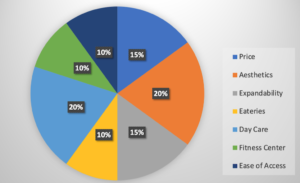
What Are KSDs?
KSDs (Key Site Drivers) are the criteria that define what “best location” means for your business—then you weight and score them so every option can be compared objectively (not emotionally, not anecdotally, and not based on whoever toured last). Consider them your highly unique KPI’s.
REoptimizer® uses KSDs to score each property in real time and calculate a final weighted score per building, instantly ranking your top contenders side-by-side.
Why KSDs Are Invaluable (And Why Teams That Use Them Win More Often)
They Turn “Opinions” Into A Repeatable Decision System. Without KSDs, site selection usually sounds like:
- “This one feels right.”
- “The price is good, but…”
- “Leadership likes that submarket.”
KSDs force alignment upfront. You define the “must-haves” and “deal-breakers” before you tour, so your team is evaluating every property against the same standard.
They Help You Compare The Stuff That’s Hard To Measure
Price and square footage are easy. The real risk is everything else:
- Workforce access and commute patterns
- Truck access and delivery windows
- Power capacity and future expansion needs
- Column spacing, dock ratios, clear height (industrial)
- Customer proximity and logistics cost impacts
- Rent vs market comps (and trend direction)
- Total Occupancy Cost (rent + CAM/NNN + taxes + insurance + utilities)
- Current utilization vs required utilization (desk sharing, peak days)
- Adjacency needs (teams that must be near each other
- Layout efficiency (loss factor, usable vs rentable SF)
REoptimizer’s® KSD approach is designed specifically to capture those “hard-to-quantify” drivers and make them scorable—so the best site isn’t just the cheapest, it’s the lowest total cost of occupancy and best operational fit.

They Save Time By Eliminating Bad-Fit Tours Early
One of the most expensive mistakes companies make is touring before they’ve defined what matters most. REoptimizer calls this out directly: teams waste time touring warehouses without clear KSDs—then end up revisiting assumptions mid-process. When KSDs are set first, you filter faster and only tour buildings that can realistically win.
They Strengthen Negotiations Because You Know Your Leverage
When you can prove (with scoring) that multiple buildings meet your needs, negotiations change:
- You’re selecting from the strongest options and negotiating from leverage.
- You can back up concession requests with evidence, using comps plus the operational requirements that drive real value.
- You reduce waste by not paying extra for features that don’t move the needle for your business.
Because Reoptimizer® scores contenders side-by-side and ranks them instantly, your team walks into negotiation with clarity: what matters, what doesn’t, and what you can walk away from.
They Keep The Portfolio Aligned With The Business (Not Just The Deal)
The biggest value of KSDs isn’t picking a building—it’s ensuring every location decision supports the business:
- growth plans
- service levels
- labor strategy
- cost targets
- utilization and waste reduction
REoptimizer’s® broader positioning is exactly this: giving teams visibility into overspending and underused space, then translating that into action through dashboards and metrics—so site decisions don’t live in a one-time spreadsheet, they become an operational advantage.
How REoptimizer® Makes KSDs Practical (Not Just A Worksheet)
Here’s the difference between “having KSDs” and using KSDs:
- Score Each Property In Real Time: As you evaluate a site, REoptimizer scores how well it delivers on each KSD—immediately, even while touring.
- Rank Overall Suitability: REoptimizer calculates a weighted score per building and instantly highlights top contenders.
- Expand Site Intelligence With CRESiteIQ™: For location strategy, CRESiteIQ™ helps define what matters and compare sites using many data points (example categories include demographics, income, fuel costs, population trends, and more).

Why Your Portfolio Needs CRE Transaction Management Software
In CRE, savings (or losses) don’t come from “being organized.” They come from making better decisions earlier and catching issues before they get locked into the deal.
Transaction management software helps you:
- Avoid missed deadlines that weaken leverage
- Prevent “death by a thousand line items” (fees, escalations, TI, concessions, operating assumptions)
- Benchmark against comps instead of negotiating blind
- Expose underutilization and waste so the portfolio improves over time
REoptimizer® specifically highlights eliminating wasted effort by centralizing data and automating alerts/workflows—so teams spend time on strategy, not chasing updates.
Why Spreadsheets Don’t Work For Transaction Management
Spreadsheets are fine for a single deal. They fail when you’re handling:
- Multiple stakeholders and approvals
- Changing versions of assumptions and documents
- Market comps, benchmarks, and reporting needs
- Utilization/waste measurement across a portfolio
That’s why REoptimizer® focuses on replacing spreadsheets and siloed tools with a centralized platform and automation.
FAQs
What Is CRE Transaction Management Software?
It’s software that manages the full commercial real estate deal process—tasks, deadlines, documents, approvals, and costs—from strategy through close, so nothing falls through the cracks.
How Is CRE Transaction Management Different From Lease Management?
Lease management is post-signature administration (key dates, escalations, compliance). Transaction management covers the whole process where the economics and terms are created.
Who Needs CRE Transaction Management Software?
Any company with a multi-location portfolio or frequent transactions—especially when deals involve finance, legal, operations, and leadership approvals.
How Does REoptimizer® Help With CRE Transaction Management?
REoptimizer® helps enterprise teams centralize portfolio data and automate reporting, alerts, and workflows—and supports site selection and deal evaluation with KSD scoring and related tools.
What Is CRESiteIQ™?
CRESiteIQ™ is a REoptimizer® tool for site selection, built to analyze markets, compare sites, and visualize opportunities in one platform.
What Are Key Site Drivers (KSDs) In Commercial Real Estate?
KSDs are your business’s weighted location criteria—used to score and compare properties objectively so you can identify the best-fit sites faster.
Why Should KSDs Be Weighted?
Because not all criteria matter equally. Weighting prevents teams from over-prioritizing “nice-to-haves” (or the loudest opinion) over the drivers that actually impact cost, operations, and performance.
How Does REoptimizer Use KSDs?
REoptimizer® scores each property against your KSDs in real time and produces a final weighted score to rank contenders side-by-side.
Learn more about REoptimizer® today.
Corporate tenants have spent the last two years hyper-focused on flexibility, operating costs, consolidation, and hybrid strategy. Fair—those issues matter. But while everyone was busy right-sizing their footprint, something far more consequential was happening behind the scenes: Landlords started defaulting. In large numbers.
In office markets, valuations have fallen by double-digits and weaker assets in certain urban cores are being written down far more aggressively.
Meanwhile, refinancing pressure on commercial loans is acute — making the need for tenant protections like the SNDA all the more urgent.
And here’s the part tenants tend to miss: If your landlord defaults, your lease is only as strong as the protections you negotiated—most importantly, the SNDA.
No SNDA? You can lose your space, your rights, your security deposit, and months of operational continuity. All because a lender’s mortgage lien outranks your leasehold interest.
This is not theoretical. This is the modern commercial real estate landscape.
Never Lease a Commercial Property Without an SNDA (Subordination Non Disturbance and Attornment) Agreement
An SNDA—Subordination, Non-Disturbance, and Attornment Agreement—is the legal document that decides who you are and what you are entitled to when a lender forecloses on the commercial property you occupy.

It governs the relationship between you (the tenant), the property owner, and the landlord’s lender, and it becomes critical when the landlord’s property ends up in a foreclosure sale.
Here’s the fast breakdown:
1. Subordination Provision: Where You Rank in the Food Chain
Every commercial loan comes with a lender’s security interest—a mortgage or deed of trust that automatically sits above your lease unless you negotiate otherwise.
If your lease is subordinate:
- The lender’s rights have priority.
- Your lease can be terminated in a foreclosure.
- You have no inherent right to stay in the leased property.
Without an SNDA, the hierarchy is simple: Mortgage > Lease.
And that means the lender can treat your existing lease as optional.
2. Non-Disturbance Agreement: The Clause That Saves You From Eviction
With a proper non-disturbance clause, the lender agrees not to throw you out when they take ownership. This ensures that:
- Your tenant’s rights remain intact.
- Your operations continue uninterrupted.
- Your workforce and equipment stay put.
- Your security deposit doesn’t vanish into a black hole of litigation.
In other words: If you’re paying rent, you stay. Period.
This is the core protection large corporate tenants need—but don’t always get.

3. Attornment Agreement: Accepting the New Landlord Without Losing Leverage
When lenders foreclose and become the new owner, the attornment provision requires the tenant to recognize them as the landlord.
It’s not as scary as it sounds. It keeps your lease alive and forces continuity.
But attornment must be paired with strong non-disturbance rights, or you’ve effectively agreed to report to a landlord who isn’t obligated to keep you.
Say Goodbye to Your Lease in a Foreclosure Sale
The “foreclosed office tower” storyline is becoming normal. Receivers are stepping in faster. Commercial lenders are enforcing rights more aggressively. Loan documents are driving the real outcomes—not the lease.
For corporate tenants, this means:
1. Traditional “Class A Stability” Assumptions Are Gone
Even trophy properties with strong sponsorship are facing refinancing hurdles and valuation write-downs.
2. Lease Provisions You Ignored Now Determine Survival
The SNDA is the difference between:
- Staying through foreclosure, or
- Being treated as collateral damage.
3. Without an SNDA, You Have No Real Negotiating Power With the New Owner
If a purchaser at foreclosure doesn’t like your rent schedule? Without an SNDA, they can simply remove you.
4. Security Deposits Become Vulnerable
If the landlord burns through them during financial distress, recovery becomes a legal war you don’t want to fund.

The Uncomfortable Truth: Most Tenants Don’t Realize They’re Exposed
You’d be shocked at how many large enterprises occupy commercial real estate without an SNDA. Why? Because historically:
- Landlords resisted offering it
- Lenders didn’t want to negotiate it
- Tenants assumed it was “standard enough”
And truthfully, the market was stable enough for the gamble to pay off—until now. Entering the 2026 landscape: Not having an SNDA is a material operational risk.
And CFOs are starting to ask about it—because they should.
Where the Leverage Has Shifted to the Tenant
Here’s the good news: This is one of the most tenant-favored markets in 30 years.
Vacancy is still elevated. Landlords are fighting to retain every square foot of occupancy. Commercial lenders want in-place rent streams. And because of that… This is the moment to negotiate SNDAs with actual teeth.
Corporate tenants can—and should—demand:
- Broader non-disturbance protections
- Lender’s consent on material landlord actions
- Security deposit tracking and safeguards
- Limits on lender step-in liability
- Clarification on insurance proceeds
- Preservation of key lease provisions through foreclosure
You have leverage. Use it before the next wave of landlord defaults hits.

What Savvy Corporate Tenants Are Doing Right Now
Modern occupiers aren’t waiting for their landlord to run out of cash. They’re conducting proactive portfolio reviews:
1. Auditing Every Lease for SNDA Presence & Quality
Not all SNDAs are equal. Some are window dressing; some actually protect you.
2. Requesting Lender Information on At-Risk Properties
Tenants can—and should—know who controls the mortgage loan, where it stands, and whether distress is imminent. This includes any loans that are crosscollateralized with other properties (that could be at risk.
3. Pre-Negotiating SNDA Terms Before Renewals or Expansions
A renewal without an SNDA in 2025 is… bold.
4. Stress-Testing Building Ownership Structures
If the borrower is exposed, you are exposed. It’s that simple.
5. Embedding SNDA Requirements in Corporate Real Estate Policy
Standardizing this prevents future oversight.
The Hard Reality: If Foreclosure Happens Without an SNDA, You’re Playing Defense
Here’s how it looks without protection:
- Lender forecloses
- Property ownership transfers
- Your lease becomes subordinate
- Leasehold interest = not guaranteed
- New landlord decides whether to honor it
- You negotiate from zero leverage
This is when tenants say things like:“We thought the lease protected us.” It doesn’t. The SNDA does. Given the scale of distress in commercial real estate, sophisticated tenants are treating SNDAs the way they treat:
- Audit rights
- Operating expense caps
- Relocation clauses
- Security instrument review
- Landlord’s lender notifications
Essential—not optional. As office assets continue to trade hands through workouts and foreclosure sales, the SNDA is becoming the backbone of tenant continuity.
The SNDA Isn’t Fine Print Anymore — It’s a Survival Strategy
The tenants who will actually win in this market are the ones who understand a simple truth: Real estate risk no longer lives with the landlord. It lives with the lender.
In the mortgage. In the lien. In the loan documents you never see.
That’s why the SNDA matters. It’s the only document that protects your leasehold interest when ownership changes, loans go sideways, or a foreclosure reshuffles the deck.
Most tenants only discover their exposure after a lender becomes their new landlord. REoptimizer® exists so you never end up in that position.
With REoptimizer®, you get the data visibility and risk intelligence your lease agreements don’t show you:
- Identify which landlords are most likely to default—before it becomes your problem.
- Flag leases missing critical protections across your entire portfolio.
- Model foreclosure and refinancing risk for every address you occupy.
- Benchmark terms market-by-market, so you know when to push harder.
- Strengthen your negotiating position with lenders, landlords, and purchasers.
- Protect business continuity in a market where ownership is changing faster than tenants realize.
This is no longer about optimizing space—it’s about securing it. Don’t wait for a lender to introduce themselves as your new landlord. Use REoptimizer® to lock down your position now—before the market forces your hand. Learn more today.
Learn More
Greater Boston doesn’t usually position itself as the industrial world’s soothsayer. It has enough on its plate juggling biotech labs, Dunkin’ loyalty, traffic on the Pike, and a workforce that expects both world-class amenities and a 20-minute commute. And yet, here we are: Boston has quietly become one of the most reliable early indicators for industrial trends that soon ripple across the Northeast. Why? Boston’s industrial ecosystem is the perfect storm of:
- Constrained land supply
- A high-value, power-hungry, infrastructure-heavy tenant base
- A multi-belt submarket layout that mirrors the broader Northeast industrial corridor from New York to New Hampshire.
In other words: when something shifts in Boston’s industrial market, it rarely stays a Boston-only phenomenon. It tends to echo across the region — first in Southern NH, then into Rhode Island, then Connecticut, then the outskirts of New York and New Jersey.
Which means Q3 2025 isn’t just a Boston datapoint… it’s the early warning signal for the entire Northeast corridor.

Boston Industrial Commercial Real Estate News
The recently released Q3 2025 Greater Boston Industrial Report lays out a market that’s less chaotic than during the e-commerce surge, less exuberant than the post-pandemic logistics craze, and more nuanced. Controlled. But, beneath the surface, several notable shifts are already underway.
Real Estate Deals are Rooted in Renewals
Renewals have hit 40% of all industrial and flex leasing in Q3. This is the highest number in six years and part of a five-quarter upward march.
The translation: Tenants are staying put. Delaying decisions. Avoiding unnecessary relocations.
Why? Because in Boston, moving is expensive. Construction is expensive. Power upgrades are expensive. And good locations within the region (specifically inside 128 or even along 495) are scarce. The math simply doesn’t pencil for a lot of tenants right now.
But here’s the strategic twist: This behavior is spreading. Boston just happens to feel it first.
We’re seeing the early hints of similar patterns in:
- Manchester and Nashua (NH)
- Providence (RI)
- Hartford (CT)
- Even the western reaches of Greater NYC
If Boston’s renewal wave is an indicator, the Northeast is heading toward a renewal-heavy, competition-light decision cycle.And for corporate tenants? That means start renewal analysis earlier, because landlords know you probably aren’t leaving.

Industrial Real Estate Leases are Getting Longer
Q3’s average industrial lease term hit 82 months, the longest since 2019. This tells us two things:
A. Tenants want stability: They’re willing to trade optionality for predictability.
B. Landlords want to lock in value: Longer terms = better forward income modeling at a moment when operating costs are volatile.
Across the Northeast, the same dynamic is unfolding: Longer terms for fewer concessions, especially in prime submarkets.This shift matters because seven-year commitments significantly amplify the financial impact of — you guessed it — escalations.
Escalations Have Quietly Become the Story
Remember when 3% escalations felt “aggressive”? Cute times.
In Boston, 4% escalations surged from 1% of leases in 2020 to 43% in 2025. Meanwhile, 3% escalations make up 57%.
This is an inflation-baked, construction-cost-anchored new normal that will spill into surrounding metros. The Northeast’s industrial landlords saw:
- slower construction,
- higher replacement cost,
- rising land scarcity, and
- stubborn labor and power constraints.
So escalations rose. Quietly. Steadily. And now materially.

Tenants who treat escalations as an afterthought will be deeply shocked by the cumulative cost seven years from now.
Why Boston is a Pressure Gauge for the Northeast
Okay, so Boston is seeing early patterns. But why does it reliably lead the region? Why does Boston get hit with these shifts first? Three reasons — all grounded in industrial market fundamentals.
Demand is Limited to Availability
The Greater Boston region is tight — geographically and politically. There simply isn’t much land left that:
- allows industrial use,
- is near highways,
- can support modern clear heights,
- has adequate power capacity, or
- isn’t already spoken for by residential, life sciences, education, or environmental priorities.
This forces:
- higher prices,
- slower development,
- smaller deliveries, and
- more volatility.
And historically? When supply-constrained markets tighten or loosen, they feel the effects first.That’s why Boston’s renewal rate spike, escalation surge, and shift toward long leases are leading indicators for surrounding markets.
Boston’s Tenant Base Is High-Value and Infrastructure-Intensive
Your average Boston industrial tenant isn’t just storing boxes. This region has:
- biotech manufacturing
- robotics & advanced automation
- precision assembly
- medical device distribution
- high-power fabrication
- flex/R&D hybrids
- last-mile urban delivery
- pharma supply chain logistics
These users care about:
- power capacity,
- HVAC sophistication,
- proximity to talent,
- transport access,
- specialized buildouts, and
- long-term operational alignment.
These tenants sign long leases, invest heavily in their space, tap into high-value workforces, and react early when market signals shift.
So again: Boston shows trends first because Boston’s tenants move early, spend heavily, and influence pricing faster than typical warehousing markets.

3. Boston’s Market Structure Mirrors the Northeast’s Regional Layout
Boston’s industrial geography is essentially the Northeast in miniature:
- Urban industrial core → like NYC/Philly
- 128 Belt → like inner Northern NJ or suburban Philly
- 495 Belt → like Lehigh Valley or New Haven
- Worcester/NH → like Central PA or Upstate NY cost-relief markets
The same flight patterns — cost optimization, labor access, logistics efficiency — happen in concentric waves across the Northeast.
This makes Boston a microcosm of the broader regional dynamic.
When Boston begins:
- pushing tenants outward,
- tightening flex inventory,
- inflating escalations,
- lengthening terms,
- or shifting power-heavy manufacturing further west,
…those moves tend to resurface in other Northeast markets shortly after.
What Tenants Need to Know About Commercial Real Estate in Boston
Boston isn’t just signaling where the Northeast industrial market is…it’s signaling where it’s heading. If you’re managing a multi-location industrial portfolio — or forecasting future facility needs in the region — here’s what you need to pay attention to.
1. Start Renewal Strategy Earlier Than You Think Necessary
With 40% of leases in Boston being renewals — and that number rising — landlords assume you’re staying. Beat them at their own game.
Best Practices
- Start strategy planning 18–24 months in advance inside Route 128.
- Begin 12–18 months ahead along 495.
- In Worcester, 6–12 months might still suffice — for now.
Why so early? Because your leverage erodes fast in a renewal-driven market.
2. Model Multi-Length Lease Scenarios
With 7-year terms becoming standard, you need to model:
- 3-year vs. 5-year vs. 7-year vs. 10-year
- the cumulative cost of escalations
- amortized capital allowances
- operational flexibility vs. stability
A 1% escalation difference over seven years is not a detail. It is a budget line item that can stretch into six or seven figures.
3. Consider the “Micro Relocation” Strategy
Boston tenants rarely make huge geographic leaps — but they often make smart micro-relocations, like:
- 128 → 495 for cost efficiency
- 495 → Worcester/NH for expansion opportunity
- Urban/Core → Inner Belt for access + affordability
- Flex → upgraded mid-box warehouse with custom improvements
This is the pattern the Northeast will follow.Tenants who adopt a micro-relocation strategy can:
- lower occupancy cost,
- increase labor access,
- gain more modern functionality, and
- negotiate from a position of strength.
A tool like REoptimizer® is ideal for modeling these tradeoffs… because doing it manually is a spreadsheet nightmare waiting to happen.
4. Don’t Assume You Need Flex Space
Flex averages $16.73/SF NNN — the highest of all industrial types in Boston. But many flex users do not actually need flex; they need:
- a certain power level
- loading capacity
- adjacency to transportation
- moderate office buildout.
A flex “downgrade” to a modern hybrid warehouse can save millions over time while meeting all functional requirements.This insight alone can materially change long-term portfolio cost.
5. Plan for Power Becoming the New Scarcity
As power-heavy tenants grow (biotech, robotics, chip fabrication light-assembly, medical tech), electrical capacity is becoming the defining industrial constraint.
Boston is already feeling the strain. So Southern NH, Rhode Island, central Connecticut are in for the storm.
Companies that secure high-power sites early:
- cut future retrofit costs,
- guarantee operational continuity,
- and avoid the power bidding wars already emerging.

Navigating Commercial Real Estate In (and Out) of Boston
The through-line across all of Boston’s industrial signals — from renewal spikes to seven-year terms to escalating escalations to the emerging power crunch — is unmistakable: the Northeast industrial market is entering a period where the cost of waiting is higher than the cost of acting.
Boston just happens to be the first to show it.
For corporate tenants, the next phase of decision-making will be defined not by finding the “perfect” building, but by securing the right operational advantages before they become scarce: power, location, infrastructure, and lease structures that won’t punish you seven years down the road.
In a market recalibrating this fast, tenants who treat Boston’s trends as a preview — not a postscript — will be the ones who negotiate from a position of strength. Those who wait until the rest of the Northeast catches up will simply be competing for whatever is left.
The smart move? Start modeling, start planning, and start scenario-testing now. Because the tenants who map their next step before the regional ripple effects hit will own the advantage when the next cycle arrives.
REoptimizer® gives tenants the ability to do just that. Whether its analyzing Boston-led shifts before they cascade across the region or translating early signals into actionable strategy, tenants can make data-based decisions to optimize their portfolio. Learn more about how that looks today.
Commercial real estate isn’t getting simpler.
Portfolios that once fit neatly into a spreadsheet now stretch across hundreds of locations, multiple jurisdictions, and billions in commitments. And to make the pressure more intense, CRE itself is in the midst of a massive re-calibration. As commercial mortgage-backed securities (CMBS) stress tests the market, real estate leaders are realizing that lease data and debt data can’t live in separate silos. Tracking landlord risk is now essential to sound portfolio strategy.
In this environment, manual tracking is not just a risk, it’s a multi-million dollar accident waiting to happen. Missed renewals, inaccurate rent payments, and scattered lease documents can quietly drain millions in value.
That’s where lease management software like REoptimizer® reshapes the equation. By centralizing lease data, automating key dates, and surfacing real-time insights, REoptimizer® helps real estate and finance teams move from reactive administration to proactive, portfolio-wide strategy.
Because other systems tell you what you owe, REoptimizer® goes beyond and tells you what you should be paying.
Centralizing Lease Data for Complete Visibility
At its core, REoptimizer® acts as a centralized platform for all lease information—from lease agreements and lease terms to rent escalations and financial reporting.
Instead of juggling multiple tools, users can centralize lease data, track key dates, and generate custom reports from a single dashboard. This streamlined process reduces human error, enhances operational efficiency, and ensures compliance.
Beyond centralizing lease data, REoptimizer® exposes the hidden economics of space. Its utilization tracking lets teams see exactly how each property is performing — and how much capital is quietly being burned on underused square footage. Whether it’s an office operating at 40% occupancy or a warehouse paying premium rent for idle space, REoptimizer® surfaces inefficiencies that traditional systems overlook.
Portfolio leaders can benchmark sites by cost per occupied square foot, compare utilization across markets, and flag assets where spend and productivity are out of sync.

Managing the Entire Lease Lifecycle
Beyond tracking, REoptimizer® manages the entire lease lifecycle—from signing agreements and monitoring renewals to managing rent reviews and lease liabilities. Its structure supports both real estate leases and equipment leases, giving portfolio managers a complete operational picture.
By automating repetitive administrative work, REoptimizer® lets teams focus on what matters: optimizing space, managing risk, and finding opportunities for cost savings and performance gains.
Advanced Automation and AI-Powered Insights
What truly sets REoptimizer® apart is its integration of AI-powered automation. Through its AI Integration module, users can query their portfolio in plain language The system instantly produces custom reports, actionable insights, and predictive analytics—helping finance teams identify cost savings, mitigate risks, and make data-backed decisions.

The simple user interface ensures that even non-technical users can navigate complex data easily.
Beyond Lease Management: Real Estate Intelligence
Unlike traditional property management software, REoptimizer® extends into strategic real estate decision-making and site selection.
Its CRESiteIQ™ tool brings over 200 market variables—income levels, demographics, workforce data—into one dashboard. And users can layer multiple data views on an interactive map — overlaying lease data, demographics, market rents to uncover ideal site selection that static reports can’t show.
With CRESiteIQ™, portfolio leaders and tenants alike can:
- Define their Key Site Drivers (KSDs) to quantify what “ideal” really means for their business.
- Compare how existing and prospective properties stack up against those drivers and perform open market rent reviews
- Visualize trade-offs between cost, location, and talent access across multiple markets.
- Instantly surface hidden gems — properties that perfectly match your profile but fall just beyond your usual search radius.
- Manage the entire site-selection process from one platform — from shortlisting to lease negotiation.
CRESiteIQ™ helps you see the story your data is trying to tell. Instead of just showing you where your leases are, it helps you understand where your opportunities could be. You can zoom out to see macro-level portfolio trends or zoom in to explore submarkets that align with your KSDs and tenant priorities.
Executives explore “what-if” scenarios that used to take weeks of analysis.This makes REoptimizer® not just lease administration software, but an all-in-one property management and location intelligence solution that supports portfolio optimization across multiple locations.
Key Features that Define the Best Lease Management Software
REoptimizer® exemplifies what modern organizations expect from the best lease management software:
- Centralized Data – Combine all lease documents, key dates, and financials in one secure database.
- Automated Alerts & Reminders – Get notified of critical dates like lease renewals, expirations, and rent reviews.
- Custom Reports & Dashboards – Generate custom reports tailored for executives, finance teams, and auditors.
- Audit Trails & Compliance – Maintain detailed audit trails for lease accounting and regulatory compliance.
- Actionable Insights – Use AI to identify operational efficiency gains and cost savings opportunities.
- User-Friendly Interface – A simple user interface ensures rapid adoption and minimal training.
- Enterprise-Grade Security – Protects centralized data and ensures confidentiality for property owners and tenants alike.
Real-World Results and Data-Driven Outcomes
The platform’s results speak volumes. Companies like Coca-Cola, eGifter, and Gentian CFO Partners have publicly cited improvements in lease administration, cost control, and data transparency:
- Coca-Cola’s CRE team leveraged REoptimizer® to benchmark lease terms and market rents, improving renegotiation leverage and saving six-figure sums annually.
- eGifter’s CFO reported measurable reductions in overhead through automated reminders and critical date tracking.
- Gentian CFO Partners used the system’s analytics to monitor key events and assess financial reporting across diverse portfolios.
Enhancing Collaboration Across Teams
A strong lease management platform doesn’t just centralizing data while ensuring it’s accessible across multiple departments.
With REoptimizer®, property managers, finance teams, and executives can all operate from the same data source. This reduces human error, improves transparency, and allows teams to track key dates and lease payments in real time.
Its document management capabilities ensure that lease agreements, payment schedules, and rental history are securely stored, searchable, and audit-ready. Built-in automated alerts keep everyone informed of key events and missed renewals, so organizations can act proactively rather than reactively.
Integrations That Extend Value
REoptimizer® connects seamlessly across your real estate workflows, creating a centralized platform for financial reporting, lease tracking, and portfolio analysis. Users can generate customizable reports, extract key lease data, and export insights for finance or operations teams—reducing duplicate data entry and improving operational efficiency.
Its design supports seamless data connections and real-time insights, helping organizations make smarter, faster decisions without disrupting existing systems
The Role of Lease Management Software in Modern Real Estate
The modern leasing process has evolved into a data-rich, analytics-driven discipline. Lease administration platforms like REoptimizer® play a pivotal role in transforming real estate leases from static contracts into living assets that drive value. By combining lease tracking, custom reports, and advanced automation, organizations gain the power to make smarter, faster, more strategic decisions.

Furthermore, as sustainability and hybrid work reshape space needs, REoptimizer®’s actionable insights help portfolio leaders anticipate changes, identify rent-free periods, and rebalance their lease portfolio in real time.
How REoptimizer® Redefines “Best Lease Management Software”
While many tools claim to simplify lease administration, few deliver end-to-end intelligence. REoptimizer® distinguishes itself by blending lease management, property management, and real estate analytics into a unified ecosystem. Its AI-driven architecture converts raw lease data into actionable insights, enabling teams to:
- Forecast rent escalations and rent reviews before they impact budgets
- Identify underperforming locations using custom reports
- Scan their lease portfolio for landlords on a watchlist for default.
- Align financial reporting with real-time market trends
This convergence of automation and intelligence defines why REoptimizer® stands among the best lease management software platforms in today’s market. Because with layered analytics and cross-portfolio visibility, teams can spot red-flag properties early—such as those tied to at-risk or cross-collateralized landlords—and take proactive steps before exposure turns into loss.
Conclusion: Smarter Real Estate Starts with Smarter Data
In the modern CRE landscape, managing lease payments and tracking key dates is just the beginning. True efficiency requires visibility, automation, and intelligence—all core strengths of REoptimizer®. By transforming lease administration into a strategic advantage, the platform empowers organizations to save time, reduce costs, and enhance operational efficiency at scale.
Whether you oversee five properties or five thousand, adopting a robust lease management software solution like REoptimizer® ensures your organization stays compliant, data-driven, and future-ready.
Learn More
Lenders are quietly rewriting billions in commercial real estate loans to avoid foreclosures. The result? A market that’s buying time — and giving tenants more leverage than they’ve had in a decade.
Commercial real estate lenders modified $11.2 billion in property loans during the third quarter of 2025, according to CRED iQ. On paper, it looks like financial housekeeping. In practice, it’s the industry’s favorite stall tactic — the infamous “extend and pretend.”
Instead of foreclosing on struggling assets, lenders are extending loan maturities, hoping market conditions improve before the balance sheet does. It’s the same trick they used after the last crisis, but this time the stakes are higher: interest rates are elevated, office values have cratered, and the “pretend” part of the equation is wearing thin.
The New York Federal Reserve recently warned that this strategy is building what it calls a “maturity wall” — a backlog of more than $400 billion in loans coming due within the next 18 months. That pile of delayed distress now represents 27% of total bank capital, up from just 16% in 2020. Translation: if those loans crack, a lot of lenders will too.
For tenants — especially in the office and industrial sectors — this financial balancing act is creating a rare and complicated kind of opportunity.
The Market’s On Pause and Tenants Are in the Middle of It
Loan modifications spiked 66% over the past year, according to the Federal Reserve Bank of St. Louis. Two-thirds of those deals simply pushed out maturity dates, effectively kicking the can down the road. The average borrower isn’t healthier — they’re just on borrowed time.
That borrowed time comes with side effects. When owners are scrambling to keep lenders happy, occupancy becomes the lifeline. That means tenants suddenly matter more than ever.
Landlords under debt pressure need full buildings and steady rent rolls. They’ll bend to keep creditworthy tenants in place — which is exactly where occupiers can win. Lease extensions on tenant-friendly terms, free rent, generous TI packages, and shorter commitments are all back in play.
But not all buildings are created equal. Some landlords are negotiating from weakness; others, from quiet panic. And tenants who know how to read the difference — or who use REoptimizer® to model those differences — can turn a shaky market into a strategic advantage.
Office: When Desperation Becomes a Leasing Strategy
Let’s start with the sector under the most pressure: office.

Roughly $1.4 billion in office loans — across 36 assets — were modified last quarter, about 15% of all modified loans. It’s not hard to see why.
Valuations in major metros are still 30–40% below 2019 levels, refinancing rates have doubled, and lenders have lost patience with half-empty towers.
Meanwhile, national office vacancy sits at 19.8%, according to 2025 data. That’s slightly down from the pandemic-era high but still nearly 600 basis points above 2019. Effective rents have barely budged, even with landlords layering on months of free rent and massive improvement allowances.
In some markets — San Francisco, Chicago, D.C. — sublease space is saturating the system. There’s more empty space available today than there was during the Great Recession.
So what happens when landlords can’t refinance, can’t fill floors, and can’t afford to default? They start getting creative.
The “Please Stay” Lease
We’re seeing a spike in short-term renewals — two- to four-year extensions with reduced rent bumps and early termination options. It’s a way for owners to buy occupancy stats they can show their lender while tenants buy flexibility in a volatile market.
The Cash-for-Certainty Deal
Landlords are trading capital improvements for stability — think: full tenant buildouts, upgraded amenities, or front-loaded TI allowances in exchange for mid-term renewals. For tenants, it’s a smart time to lock in upgrades without locking in a decade of rent.

The Quiet Exits
Some owners are negotiating in whispers, trying to offload distressed properties before lenders call in the debt. For tenants, that means sudden ownership transitions and a potential game of “Who’s my landlord this month?”
Tenant takeaway: ask direct questions.
-
Has the property’s loan been extended?
-
Who actually holds the debt now — the original lender or a special servicer?
-
Are capital reserves still being funded?
If you get vague answers, that’s your sign. Use it.
The data says the office market isn’t recovering — it’s stalling in slow motion. That gives occupiers leverage, but also reason to tread carefully. This is not the time for autopilot renewals.
Industrial: Still Strong — But Watch the Cracks
Industrial has been the golden child of CRE for five years straight. E-commerce demand, logistics expansion, and reshoring made it the one asset class that could do no wrong.That’s starting to change.

Industrial loans accounted for just $55.8 million in modifications — less than 1% of total loan volume — but the number hides a more nuanced reality. Lenders aren’t extending because everything’s rosy; they’re extending because rising rates and slower absorption are squeezing future performance.
Average cap rates for Class A logistics space have widened 75 basis points year-over-year, while rent growth — which ran north of 15% annually in 2021–2022 — has cooled to 3–5% in most markets, according to JLL and Prologis data. Construction pipelines are shrinking fast: new industrial starts dropped 44% year-over-year, per Cushman & Wakefield, as developers pause projects that no longer pencil under 7% debt costs.
That slowdown is a double-edged sword.
-
Short term: tight supply keeps lease rates firm, especially near major ports and distribution hubs.
-
Long term: fewer completions mean less flexibility for tenants seeking modern, efficient space.
At the same time, regional lenders — who hold nearly 70% of all industrial CRE loans — are quietly tightening credit. The NY Fed report found these smaller banks have already reduced new mortgage origination by 5% since early 2022, preferring to extend old loans instead of underwriting new ones.
That means fewer new warehouses breaking ground, slower spec construction, and more “lease and hold” behavior from existing landlords.
For Tenants, the Signal is Clear:
-
If you need expansion space, start early — lead times are stretching.
-
If you’re renewing, push for fixed renewal options or cap escalations now, before rates move again.
-
If your landlord is a smaller REIT or privately held fund, ask how their debt is structured. The cost of refinancing in 2026–2027 could change your rent trajectory overnight.
Industrial real estate isn’t distressed, but it’s no longer immune. The cracks are starting to show in development financing, and that’s where smart tenants can position themselves before the market reprices again.

The Fed’s Warning: The Math Doesn’t Work Forever
The New York Fed’s October report reads like a warning shot. Banks — especially regional ones — are using “extend and pretend” to postpone losses, not prevent them.
Each extension buys a few quarters of quiet, but it also pushes risk further up the balance sheet. The report found that weaker banks underestimate loan default probabilities by 0.9% compared to their well-capitalized peers — a gap that might sound small but translates to billions in mispriced exposure.
Meanwhile, every loan that’s extended instead of resolved reduces lending capacity for new deals. That’s why new CRE loan originations have dropped roughly 5%, a trend already visible in both the office and industrial sectors.
The NYCB case study makes the danger plain. After months of assurances, New York Community Bancorp eventually revealed $349 million in charge-offs and took a $1 billion capital infusion just to stay afloat. Investors, tenants, and regulators alike were blindsided.
As the Fed bluntly put it: “The resulting crowding-out of new credit slows down the efficient reallocation of CRE capital.” In other words, lenders’ delay tactics are freezing the very transformation cities need — from obsolete office towers to mixed-use conversions and modern logistics hubs.
What Tenants Should Do Now
The good news: tenants finally have leverage.
The bad news: it’s uneven, and it won’t last forever.
1. Do the Debt Homework
Before you sign or renew, find out who owns the building’s debt. Is it a local bank, CMBS trust, or private fund? Debt maturity equals negotiation leverage — and risk.
2. Use Renewals Strategically
Short-term extensions can protect flexibility and buy time while the market resets. But if you’re in a strong credit position and like your space, consider locking in a longer deal now while landlords are still motivated.
3. Track Lender Behavior
When lenders stop funding TI allowances or delay maintenance reimbursements, it’s a red flag. Those are often the first signs of financial stress.
4. Expect a Reshuffle
Some landlords won’t survive the next refinancing wave. Be prepared for property sales, new ownership, and potentially new rent structures.
5. Leverage Technology
Platforms like REoptimizer® let you benchmark lease terms, compare renewal scenarios, and model the financial risk of landlord distress — exactly the kind of insight tenants need in a market built on extensions and uncertainty.

Bottom Line
The “extend and pretend” era is propping up property values but exposing fault lines across the market. For tenants, it’s both a gift and a trap: landlords are suddenly generous, but only because they’re cornered.
In the office sector, that means leverage disguised as leniency. In industrial, it means stability with asterisks — solid fundamentals shadowed by financing strain.
The math eventually catches up. But for now, tenants who read between the numbers — and negotiate accordingly — have the rare chance to turn a lender’s problem into their own strategic advantage.
Is this the end of renewal as default? In today’s market, staying put may actually cost more than moving — as hidden inflation quietly drives up your lease costs year after year.
For decades, tenants defaulted to renewing leases because it felt safer…less disruption, less capital, fewer unknowns.But in 2025, that old playbook no longer works. High vacancies, stressed landlords, and compounding rent escalations have flipped the risk equation.
Today, renewal decisions must be strategic, not automatic — because the “status quo” lease is often the most expensive one you hold.

Market Forces Are Out of Balance
The renewal landscape has changed. What used to be a straightforward decision is now a high-stakes choice.
-
U.S. office vacancy stands at roughly 20.6–20.7% as of Q2 2025 — the highest level on record (Moody’s Analytics).
-
About 24% of office mortgages mature this year, according to the Mortgage Bankers Association. Many landlords face refinancing at higher interest rates or lower valuations.
-
Office loans remain the weakest link in commercial mortgage-backed securities (Trepp), with delinquencies climbing unevenly across markets.
In simple terms, there’s more empty space and more landlord distress than at any time in modern history. That gives tenants leverage — but only if they use it.
Renewing out of habit, without benchmarking the market, means ignoring your negotiating power.
The Hidden Inflation Inside Every Renewal
Even tenants who think they’re holding steady on rent often aren’t. Escalations and pass-throughs quietly compound total cost year after year.
Base Rent Escalations
Most leases bake in 3% annual increases, a number that feels harmless but adds up fast.
Operating Expense Pass-Throughs
The bigger budget threat comes from expenses that flow through your lease — taxes, insurance, utilities, janitorial, maintenance.
-
Insurance costs rose for 25 consecutive quarters through late 2023 (Marsh Global Insurance Index).
-
While U.S. property insurance rates declined around 9% in early 2025, they’re still well above 2019 levels.
-
Taxes and insurance now represent the largest share of total building operating costs, according to BOMA benchmarks.
If your lease passes these costs through to you — as most do — your “flat renewal” is anything but flat. Without renegotiation, you’re absorbing hidden inflation every year.

Why Older Leases Are Now Out of Sync
Many tenants still sit on leases signed before or during the pandemic. Those deals no longer reflect today’s realities.
Here’s what’s changed:
-
Rent escalations have compounded for years, inflating your effective rate.
-
Concessions peaked in 2023, softened slightly in 2024, but remain materially higher than in 2019.
-
Average free rent: 8.9 months (2024) vs. 9.6 months (2023).
-
Average tenant improvement allowance: $87.51 per square foot, down from $97.55 but far higher than 2019 levels.
-
-
Vacancies are historically high, which means landlords are still competing hard for credit tenants.
If you signed in 2019 or 2020, you’re likely paying an inflated effective rent and getting none of the concessions currently available to new tenants.
Landlord Solvency: The Risk You Inherit When You Renew
Renewing isn’t just about your rent — it’s about who’s on the other side of the lease.
-
Landlords facing refinancing pressure may defer maintenance or reduce building services to conserve cash.
-
Some owners can’t refinance at all, pushing assets toward loan default or receivership.
-
Even otherwise stable landlords are often unwilling or unable to fund new TI packages or rent abatements.
Before renewing, treat your landlord like a counterparty you’re underwriting. Check when their loans mature, whether they’ve reinvested in the property, and what their debt terms look like. The strength of your landlord’s balance sheet directly affects the reliability of your lease.

When Renewals Quietly Outprice the Market
The biggest misconception in corporate real estate right now is that staying put is always cheaper.
Across most U.S. markets, effective rents for new deals have flattened or fallen, while renewal rents have continued to climb through automatic escalations and compounding pass-through costs.
2024 U.S. office data shows that although nominal asking rents have held steady, effective rents — after concessions — are now roughly 5–10% lower than 2019 levels for non-prime assets. Meanwhile, tenants still on long-term leases signed before the pandemic are often paying 15–20% more after years of escalations, with no offsetting incentives.
That divergence is reshaping tenant strategy.Corporate occupiers are no longer expanding — they’re re-allocating: consolidating footprints, upgrading to better-located or better-amenitized buildings, and resetting rent baselines in the process.
In this environment, the “cheapest” option on paper — a renewal at your current building — may actually deliver the highest total cost of occupancy once escalations, operating expenses, and foregone concessions are factored in.
The takeaway: continuity isn’t cost control. If you haven’t benchmarked your rent and incentives against the active market in the last 12–18 months, there’s a strong chance your renewal is already overpriced.
How to Pressure-Test Your Renewal Strategy
A renewal decision shouldn’t rely on instinct — it should rely on data discipline and market comparison.
Here’s how to approach it with rigor:
1. Benchmark your effective rate.
Gather recent comps or proposals in your submarket. Normalize them for effective rent by including free rent, amortized TI dollars, and estimated operating expenses. This provides an apples-to-apples comparison against your escalated rate.
2. Model your total cost of occupancy.
Base rent is only part of the story. Taxes, insurance, parking, maintenance, and deferred upgrades can add 20–30% to your total spend. iOptimize Realty’s portfolio data confirms that tenants who quantify these costs early negotiate more complete rent resets later.
3. Evaluate landlord risk.
Renewing with a highly leveraged or under-capitalized owner carries operational risk — deferred maintenance, slow response times, and uncertain reinvestment. Those soft costs can be real and material.
4. Quantify flexibility value.
Shorter lease terms, contraction rights, and assignment clauses have tangible financial value. They allow you to adapt to headcount or location changes — something many pre-pandemic leases lack.
5. Create competitive tension.
Even if you intend to stay, act as though you’re running a competitive bid. According to iOptimize Realty’s renewal data, tenants who pursue at least one credible relocation alternative achieve 10–15% stronger economic outcomes on renewals.
The goal isn’t to move for the sake of moving — it’s to ensure your renewal performs like a market-rate transaction. In 2025, mobility equals leverage, and leverage is what keeps renewals honest.

How to Make Staying Put Worth It
Renewal can still make sense — but only if you re-engineer the deal.
Treat it as a full market negotiation, not an administrative extension.
Key renewal levers:
-
Re-strike base rent to current market rates, normalized for TI and free rent.
-
Reset escalation terms. Replace 3% fixed bumps with CPI-linked increases capped at a maximum percentage.
-
Cap controllable expenses and seek carve-outs or collars on taxes and insurance.
-
Add service guarantees or remedies if landlord credit is a concern.
-
Negotiate flexibility — options to contract, expand, or assign space.
-
Start early. Tenants who begin renewals 12–18 months ahead can achieve 10–15% better outcomes.
Tenant Behavior in 2025: What the Data Shows
Two clear shifts define current tenant strategy.
1. Trading Up While Downsizing
Many occupiers are consolidating into smaller footprints but upgrading to higher-quality assets. The result is better employee experience and stronger brand positioning at equal or lower total cost.
2. Concessions Plateau, Not Collapse
While incentives have pulled back from 2023 peaks, they remain significantly richer than pre-COVID levels. Landlords are still offering months of free rent and sizable improvement allowances to secure strong credits.
In short, the market is fluid — and tenants with data-backed strategies can extract more value than ever before.
The 2025 Renewal Playbook
Before you sign anything, run your process through this checklist:
-
Re-underwrite your market. Gather at least three comparable live alternatives.
-
Audit your OPEX exposure. Model taxes, insurance, and utilities over the next three to five years.
-
Evaluate landlord credit. Identify loan maturities and potential refinancing risk.
-
Reset rent escalations. Negotiate CPI-linked or step-down structures.
-
Add flexibility. Build in contraction and expansion rights.
-
Start early. Early preparation is the single biggest driver of negotiation leverage.
Bottom Line
The “easy renewal” era is over.
In a market defined by record vacancies, shaky landlord finances, and the lingering effects of hidden inflation, staying put without analysis can cost more than moving.
Every renewal should be a competition.Your existing landlord should earn your continued tenancy by matching — or beating — what the market offers.
Renew strategically.Because in 2025, convenience is the most expensive lease clause of all.Make every renewal a win. REoptimizer® gives you the data, leverage, and clarity to turn renewals into negotiations, and negotiations into savings. Learn more about how the REoptimizer® can give your portfolio and all your renewals a razor sharp edge.
After a sluggish summer, commercial real estate activity picked up again in September. The LightBox CRE Activity Index—a composite measure of listings, lender appraisals, and environmental due diligence—rose to 116.8, its highest mark of 2025. That reading suggests market activity roughly 17% stronger than the 2021 baseline (of 100) used by LightBox to benchmark “normal” conditions.
But a higher index doesn’t automatically mean the market is healthy everywhere. It means deal processes are moving again—more listings, more appraisals, more due diligence—not necessarily that demand is strong across all sectors. The rebound signals engagement, not resolution.
Leasing activity is waking up, yes, but scratch beneath the veneer, and you’ll find that the resurgence is uneven, fragile, and confronting serious structural headwinds. Let’s discuss:
Leasing Momentum with Structural Limits
Leasing remains the most reliable near-term indicator of demand, and the 2025 numbers tell a mixed story.
- Industrial space continues to outperform, with vacancy hovering near 6.6%, higher than 2022 lows but consistent with pre-pandemic balance. Secondary markets, however, are starting to show small cracks as new deliveries hit. Completions are surging in metros like San Bernardino/Riverside (1.6M sq ft in Q1) and Indianapolis (1.3M sq ft) but that adds pressure to vacancy and renewals, especially in secondary corridors. In several West Coast markets, vacancy jumped by 200–300 basis points year-over-year.
- Multifamily leasing remains robust, driven by affordability pressure in the housing market. Absorption in metros like Orlando, Charlotte, and Phoenix continues to outpace national averages.
- Office leasing is stabilizing, but only selectively. Colliers reported 11.4 million square feet leased in Manhattan during Q1 2025, the strongest first quarter since 2014. Yet older stock across downtowns in Chicago, San Francisco, and St. Louis continues to shed tenants.
- Retail is splitting between experiential and essential. Grocery, healthcare, and discount retailers are expanding while discretionary retail shrinks.
So, while the LightBox index points upward, leasing data shows a market reorganizing itself—stronger tenants consolidating space, weaker ones contracting, and owners navigating longer lead times for renewals.

It’s also important to note that this leasing activity is increasingly concentrated in high-quality, well-located assets. According to industry data, over 70% of new office leases signed in 2025 have been for Class A or newly renovated properties, while older buildings continue to lag despite deeper concessions. The same trend is visible in industrial and multifamily segments, where newer, energy-efficient facilities and amenity-rich communities are capturing the majority of tenant demand.
Absorption: Demand Is Back—But Uneven
Absorption data underscores how selective this recovery really is. According to CBRE, U.S. industrial properties logged 3.5 million square feet of net absorption year-to-date through Q2 2025—the weakest midyear reading since 2010. Vacancy edged up to 6.6%, and 18 of 61 tracked markets posted negative absorption, as new deliveries outpaced leasing in key logistics hubs like the Inland Empire and Dallas–Fort Worth.
Office tells a different but equally uneven story. National vacancy remains near 19%, yet CBRE data shows positive net absorption for five consecutive quarters, concentrated in Class A buildings within core business districts. JLL notes that roughly 70% of all positive absorption in 2025 has occurred in just 10 metros—led by New York, Austin, Miami, and Boston—while secondary markets continue to lose tenants faster than they can replace them.

Multifamily absorption remains solid, though moderating. RealPage reports net absorption of 76,000 units in Q2 2025, down 20% from the same period last year, as new supply peaks in Sun Belt markets.
In short, absorption is confirming what leasing velocity alone can’t: demand is returning, but only for the right product in the right markets. For large occupiers, tracking absorption by submarket and asset class is now essential.
Lease Expiry: The Pressure Point No One Can Ignore
One of the most formidable structural challenges this year: more than 265 million square feet of CRE leases expire in 2025 (in the CMBS universe) Trepp. Industrial leads the pack, but office and retail have significant exposure too. Among those, renewal risk looms large.
Properties that can offer lease flexibility, efficient systems, and tenant retention value have an advantage. But for aging or fallback assets, the upcoming renewal wave could trigger deeper discounting, longer vacancy spells, or even forced exit.
This is where “leasing numbers” morph from momentum indicators to stress tests. Renewal spreads, concessions, and downtime will increasingly define which assets survive and which don’t.
Cautious Recovery, Uneven Foundations
Despite the recent uptick, structural weaknesses remain. The Federal Reserve’s rate cut has improved sentiment but hasn’t yet fixed refinancing pressure, construction cost inflation, or the office utilization gap. Lenders remain selective; credit spreads for riskier assets remain wide.

Market sentiment dropped more than 30% in Q1, according to a Reuters survey of CRE executives—the second-largest quarterly fall since the pandemic—underscoring ongoing caution around debt costs, supply pipelines, and tenant credit. Even LightBox’s analysts describe the September surge as “encouraging but fragile.”
In plain terms: the system is working again, but it’s working under constraint.
Lease Expirations as Opportunity, Not Just Risk
Roughly 265 million square feet of commercial leases are set to expire in 2025 across U.S. office, industrial, and retail properties, according to Trepp. Industrial represents about 100 million square feet of that total, office 85.5 million, and retail 58.5 million—a scale that will directly influence rent trends and occupancy levels through 2026.
For tenants, this rollover cycle isn’t purely a liability. It’s leverage. A flood of expiring space and selective demand have tilted negotiations toward occupiers, particularly in markets where landlords are still competing to stabilize assets. CBRE data shows the average lease term for new corporate office deals has compressed from 8.2 years in 2019 to 6.1 years in 2025, reflecting a decisive shift toward flexibility and cost control.
Repricing and the Cost of Flexibility
Leasing and absorption trends are exposing a new pricing structure: flexibility now carries a premium. Average rents for short-term or flex office leases are running 10–15% higher than traditional long-term deals, according to CBRE’s 2025 Flexible Office Outlook, yet total occupancy cost is often lower once under-utilization and churn are accounted for.
In industrial and logistics, flexible warehouse agreements—once a niche—now account for 8% of total leasing activity, up from 3% in 2019. This signals that tenants are prioritizing agility over expansion, using data to time commitments to supply-demand cycles.

For large corporate portfolios, this marks a structural change. Flexibility has shifted from “nice to have” to a core financial control lever. This trend is something to watch especially as behemoths like Amazon scoop up flex space.
Optimizing the Corporate Portfolio in a Data-Driven Market
Real estate portfolios that were once built for scale are now being reengineered for performance—right-sizing, cost control, and agility are the new metrics of success.
According to JLL’s Global Occupier Trends 2025 report, nearly 60% of Fortune 1000 companies are actively reducing or rebalancing their footprints, while 47% are reallocating space into higher-performing markets rather than shrinking outright. CBRE data shows the average utilization rate across corporate office portfolios is hovering between 55% and 60%, leaving significant opportunity to rationalize underused locations.
The challenge isn’t identifying excess—it’s quantifying it accurately across dozens or even hundreds of sites. That’s where data-driven portfolio intelligence has become indispensable. Integrating lease, occupancy, and market data into a single view allows occupiers to:
- Benchmark performance across markets – Compare real estate cost per employee, utilization rate, and market rent growth to identify which assets are value-accretive versus value-eroding.
- Model scenario-based decisions – Forecast the financial impact of consolidations, subleases, and relocations under different rent and absorption assumptions.
- Align real estate with business drivers – Tie renewal and exit timing to workforce planning, logistics efficiency, and capital availability.
Portfolio optimization today is less about cutting space and more about reallocating it to where demand, workforce, and capital converge. Companies that base those choices on data—rather than instinct—are already pulling ahead.
Turning Data Into Strategy With REoptimizer®
This is where REoptimizer® sets itself apart. The platform transforms static lease data into actionable strategy by connecting market analytics, occupancy metrics, and financial modeling in real time.
Users can:
- Visualize the entire portfolio against current market demand, vacancy, and absorption trends.
- Identify expiring leases in weak markets and reinvestment opportunities in growth corridors.
- Calculate total occupancy cost and compare renewal versus relocation outcomes down to the building level.
- Integrate external datasets—wage growth, population shifts, construction pipelines—to anticipate market risk before it hits NOI.
In a market defined by uneven fundamentals, precision is power.
REoptimizer® gives occupiers that precision—turning every data point into a lever for smarter footprint decisions, stronger negotiation positions, and measurable financial impact.
The market may be fragmented. Your strategy doesn’t have to be. Start your portfolio optimization today with REoptimizer®. Learn more about the edge it can give your commercial real estate strategy.
