
You’ve signed the lease, secured the square footage, and moved in your operations. Now you can set the budget on autopilot, right?
Not so fast.
In warehouses across the country, the biggest hits to profitability often have nothing to do with the base rent. They hide in plain sight — in wasted cubic space, inefficient energy use, maintenance liabilities, and dock bottlenecks.
Across a portfolio, these inefficiencies don’t just nibble at your margins — they devour them. The good news? Every one of these drains can be identified, quantified, and tackled with the right strategy and the right tools.
This is where REoptimizer® comes in. By giving you real-time visibility into both your lease economics and your operational performance, you can catch small issues before they become big cost centers — and make sure every square foot is working for you, not against you.
1. Wasted Space: Paying for Air Instead of Storage
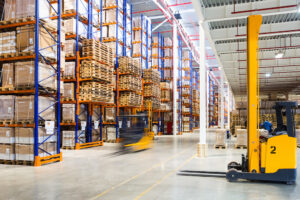
Not all warehouses are created equal — even when they have the same footprint. A 500,000-square-foot warehouse with a 24-foot clear height offers dramatically less usable storage than one with a 36-foot clear height. And even when you have the right height, poor layout or racking design can squander your cubic potential.
Example: How Height Translates to Capacity
| Size (Sq. Ft.) | Clear Height (Ft.) | Total Cubic Feet | Potential Pallet Positions (Est.) |
| 500,000 | 24 | 12,000,000 | 60,000 |
| 500,000 | 36 | 18,000,000 | 90,000 |
A 50% increase in clear height can yield up to 50% more storage capacity meaning you can avoid leasing additional space entirely.
The Problem:
- Inefficient racking configurations create bottlenecks in picking and storage.
- Underutilized mezzanines sit idle instead of generating value.
- Without vertical optimization, tenants often end up leasing more space than they need.
The REoptimizer® Fix:
REoptimizer® can help you run a space utilization audit across your portfolio, comparing your cubic storage potential to industry benchmarks.
That means you can identify buildings that are costing you more in rent because they’re not being used to their full capacity — and quantify the savings from high-bay racking, AS/RS, or mezzanine buildouts.
2. Energy Costs: The Silent Margin Killer
Energy is one of the largest operating expenses in warehouse operations, and unlike rent, it fluctuates constantly. In many industrial markets, electricity rates have risen by more than 20% in the last five years.
Typical Energy Drains:
- Inefficient Lighting: Metal halide or fluorescent fixtures use 50–80% more energy than LEDs. Switching to LEDs can cut lighting costs by 60–80%.
- Outdated HVAC Systems: Heating/cooling a 500,000 SF facility can cost $1M–$3M+ annually in extreme climates. High-efficiency units and smart thermostats can reduce that by 20–40%.
- Poor Insulation: Leaky insulation can waste 10–30% of your energy annually and forces HVAC systems to work harder.
The Problem:
Lighting often accounts for up to 40% of a warehouse’s total energy use, and every 1°F temperature swing can drive HVAC costs up by 3–5%. Left unchecked, these inefficiencies bleed cash month after month.
The REoptimizer® Fix:
With REoptimizer®, you can track energy spend per square foot across your portfolio and flag outliers instantly.
By comparing energy performance to similar buildings in your database, you can spot where a retrofit — LEDs, HVAC upgrades, insulation improvements — will deliver the fastest ROI. And you can fold those projections into your lease decision-making before you renew or relocate.
3. Maintenance & Repair Liabilities: The Triple Net Trap
Under a triple net (NNN) lease, tenants are on the hook for repairs — and warehouses take a beating. Without proactive management, costs can spiral.
Common High-Cost Repairs:
- Floor Damage: Resurfacing concrete can run $4–$10 per square foot.
- Roof Leaks: Major repairs can cost $50,000 or more — and damaged inventory adds even more to the tally.
- Dock Door Replacements: High-traffic docks can wear out quickly, with replacements running $5,000–$25,000 each.
The Problem:
Too many tenants only find out about a major repair when it’s urgent. By then, costs are high and negotiating leverage is low. And if the lease wasn’t negotiated with caps or landlord obligations in place, you’re stuck footing the bill.
The REoptimizer® Fix:
REoptimizer® lets you track facility condition data and maintenance history for every location. That means you can:
- Flag aging assets (roofs, HVAC, dock equipment) well before lease renewal.
- Push for landlord-funded replacements during negotiations.
- Compare maintenance cost trends across your portfolio to identify higher-risk buildings.
This turns maintenance from a surprise expense into a planned, strategic conversation.
4. Inefficient Dock Operations: Delays That Cost Real Money
Every extra minute a truck sits at your dock is money lost — in detention fees, wasted labor, and missed deliveries.
Dock Inefficiencies That Hurt:
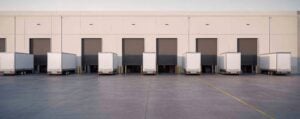
- Too Few Dock Doors: One door per 10,000 SF is standard, but high-volume operations may need more.
- Poor Ingress/Egress: Tight truck access and inefficient layouts slow turnarounds.
- No Cross-Docking Capability: Without direct inbound-to-outbound transfer, you pay for unnecessary storage.
The Problem:
Slow docks create ripple effects throughout the supply chain, driving up overtime labor costs, delaying customer deliveries, and even straining carrier relationships.

The REoptimizer® Fix:
REoptimizer® can layer operational throughput metrics (shipments/hour, dwell time) over your lease and facility data. That gives you the evidence to justify retrofits, reconfiguration, or even relocation to a site that matches your logistics profile — and helps you avoid facilities that will bottleneck your growth.
The Cost of Complacency
A warehouse that’s draining your margins doesn’t just cost you in the moment — it sets back your long-term profitability. The difference between a cost-efficient facility and a financial anchor comes down to visibility, data, and proactive action.
Doing nothing isn’t neutral — it’s expensive. In today’s market, where vacancy is rising and landlords are more flexible than they’ve been in over a decade, you have leverage. But without clear, actionable data, you can’t use it.
Why REoptimizer® is Built for This
REoptimizer® gives you a single, portfolio-wide lens on both your lease obligations and your operational performance. You’ll see:
- Where you’re overpaying — in rent, expenses, or inefficient operations.
- Which facilities are prime for renegotiation — months before renewal.
- Where the biggest savings lie — so you can prioritize action.
Whether it’s avoiding an unnecessary expansion by unlocking vertical space, cutting six figures from your energy bill, capping maintenance liabilities, or choosing a dock layout that shaves hours off your daily shipping schedule — REoptimizer® turns insight into action.
The Bottom Line:
Your warehouse should be a profit center, not a cost sink. With REoptimizer®, you can benchmark, monitor, and optimize every square foot you lease — and make sure you never pay for space, utilities, or repairs you don’t need.Learn more about REoptimizer® today.